

Premium Da Hong Pao Jian Zhan Set
- Regular price
- S$ 68.00
- Sale price
- S$ 68.00
- Regular price
-
S$ 0.00



Share
In the traditional beliefs of older tea makers in Fujian, tea is not just something to drink — it is something that “nurtures one’s energy.” People in the mountains believe that wild tea trees growing year-round among mist and clouds absorb the essence of the mountains, water, and the changing seasons of heaven and earth. Because of this, the tea brewed from them carries a particularly calm and grounded character.
Business people are especially fond of this kind of black tea. In Chinese culture, the bright red color of black tea symbolizes prosperity, gathering energy, and attracting abundance. Many old tea merchants would always brew a pot of black tea before discussing business. It was not merely for hospitality, but more like a way of slowly settling the atmosphere and grounding the energy in the room.
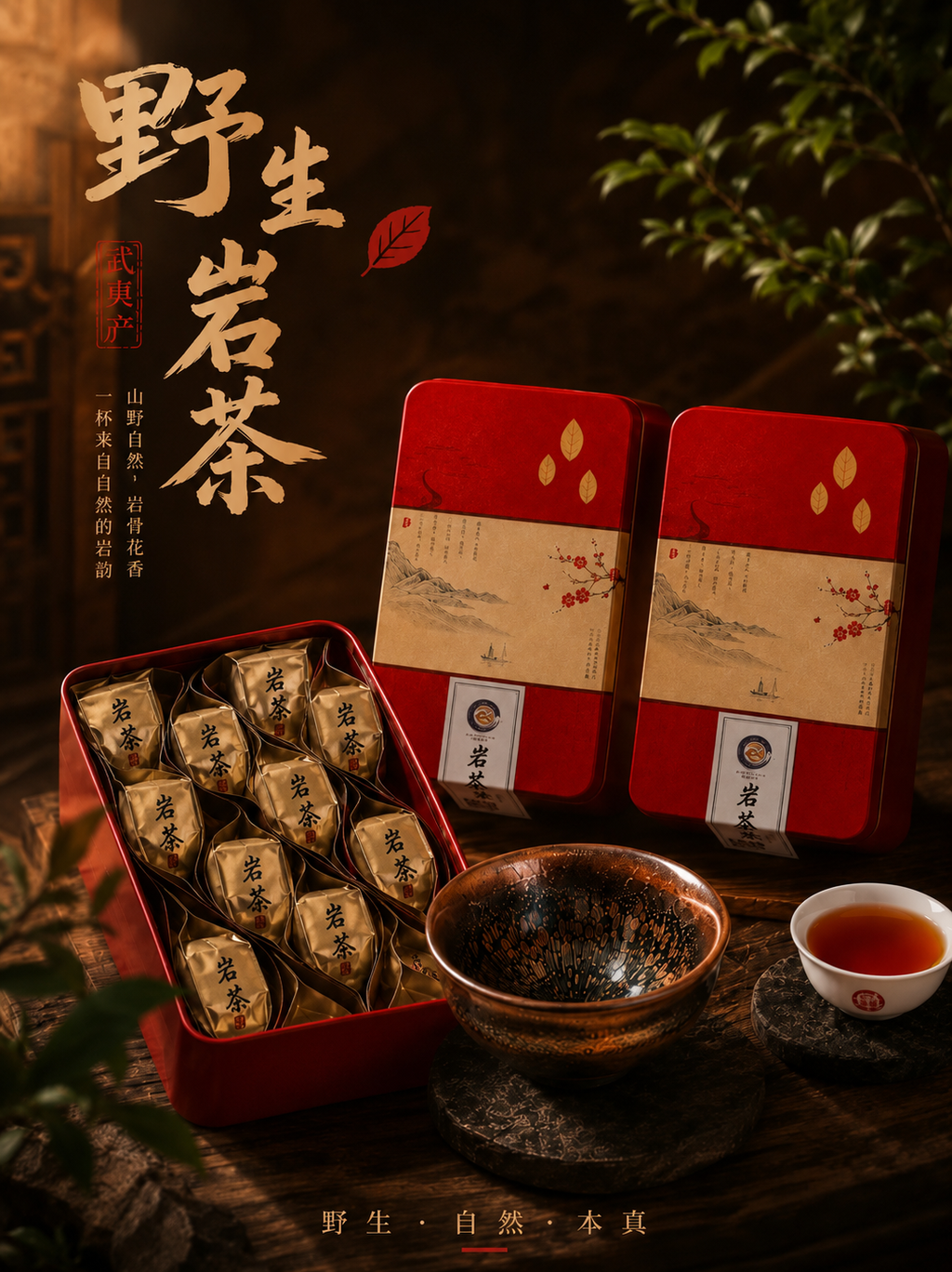
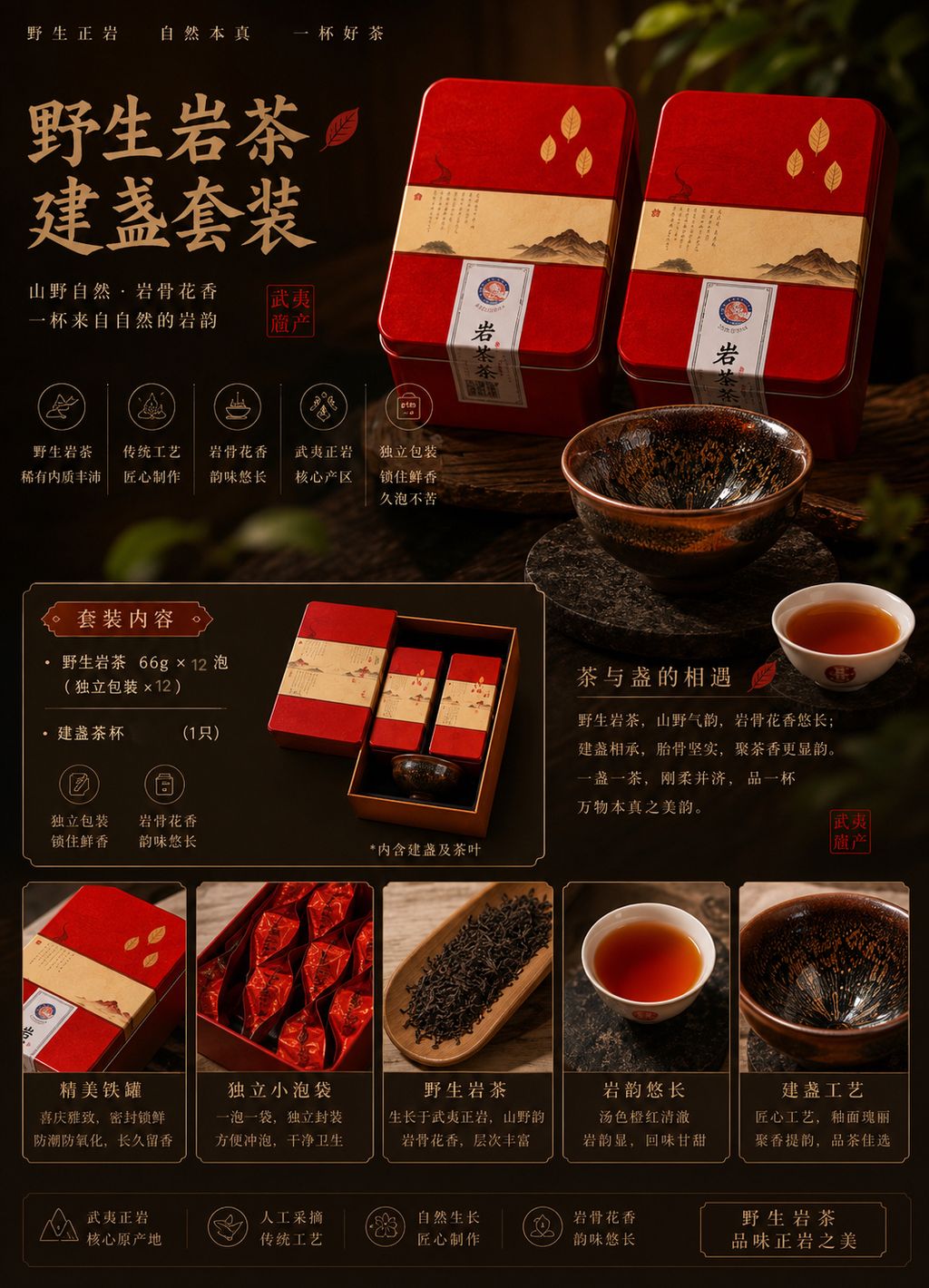
As for Jian Zhan, within Chinese tea culture it has long been associated with the idea of “gathering energy and wealth.” Especially those with strong kiln-transformation patterns — such as oil spots, hare’s fur, or iridescent “yao bian” effects naturally formed through intense firing — are often seen as symbols of flowing gold and concentrated light. Old craftsmen often say that a well-seasoned Jian Zhan becomes richer and more lustrous over time, much like one’s fortune, which also requires patience and gradual accumulation.
In many ways, this tea set reflects the Fujian understanding of prosperity. Not sudden windfall wealth, but the kind of blessings that grow steadily and quietly in the mountains. The black tea represents vitality, warmth, and the living spirit of nature, while the Jian Zhan represents refinement, patience, and accumulation through time. When hot water is poured and the red tea glows within the dark bowl, many elders see it as an auspicious sign of “fortune entering the cup.”
This is also why many people like to place such tea sets in offices, tea rooms, or reception spaces. Serving a bowl of tea to guests is not merely about drinking tea — it is also about gathering warmth, goodwill, and positive energy. Because in traditional Chinese thinking, lasting prosperity is never rushed; like a good tea, it is something slowly nurtured over time.